On June 19, 1944, the United States Navy achieved one of the most decisive victories in naval aviation history during the Battle of the Philippine Sea, forever remembered as the “Great Marianas Turkey Shoot.” This pivotal World War II battle marked a turning point in the Pacific Theater and demonstrated the overwhelming superiority of American naval aviation, training, and technology.
For U.S. Navy veterans, military history enthusiasts, and collectors, this battle remains one of the greatest examples of courage, preparation, and strategic excellence in American military history.
At Navy Crow, honoring these historic victories helps preserve the legacy of the sailors, aviators, and ships that changed the course of World War II.
Why Battle of Philippine Sea Was Important?
By mid-1944, Allied forces were advancing steadily across the Pacific. American troops had landed on the island of Saipan in the Mariana Islands, placing Japan within striking distance of future U.S. bomber operations.
Recognizing the threat, the Imperial Japanese Navy launched Operation A-Go, an ambitious plan to destroy the American fleet and halt the Allied advance.
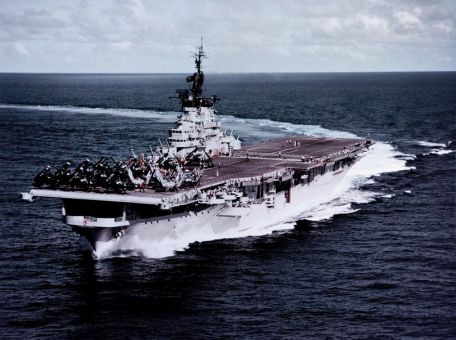
Leading the American forces was Vice Admiral Raymond Spruance, commander of the Fifth Fleet. Under his command, the powerful Task Force 58, led by Vice Admiral Marc Mitscher, deployed an impressive force of aircraft carriers, battleships, cruisers, destroyers, and highly trained naval aviators.
The stage was set for the largest aircraft carrier battle in World War II history.
The Great Marianas Turkey Shoot
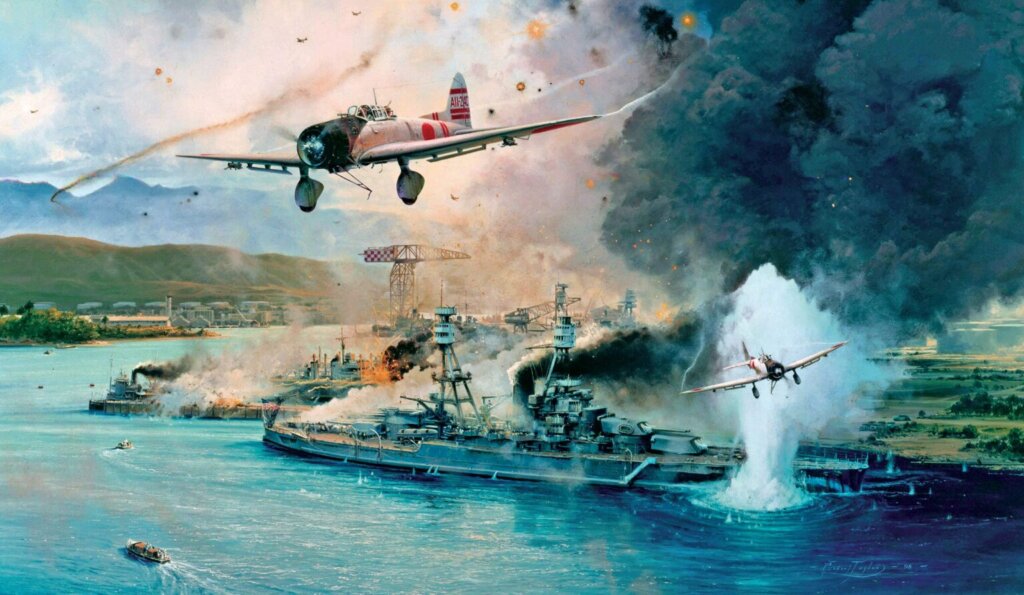
On June 19, Japanese carrier aircraft launched wave after wave of attacks against American ships. However, the Japanese pilots faced a vastly improved U.S. Navy air defense system.
American F6F Hellcat fighters intercepted incoming aircraft long before they reached the fleet.
The results were devastating for Japan.
In a single day, U.S. Navy pilots shot down more than 300 Japanese aircraft, while anti-aircraft defenses destroyed many others. American losses were comparatively minimal.
The lopsided outcome earned the battle its famous nickname: “The Great Marianas Turkey Shoot.”
The phrase reflected how easily experienced American aviators defeated poorly trained Japanese pilots who lacked combat experience and adequate support.
This battle effectively ended Japan’s ability to conduct large-scale carrier aviation operations for the remainder of the war.
American Submarines Delivered Crushing Blows
The victory wasn’t limited to aerial combat.
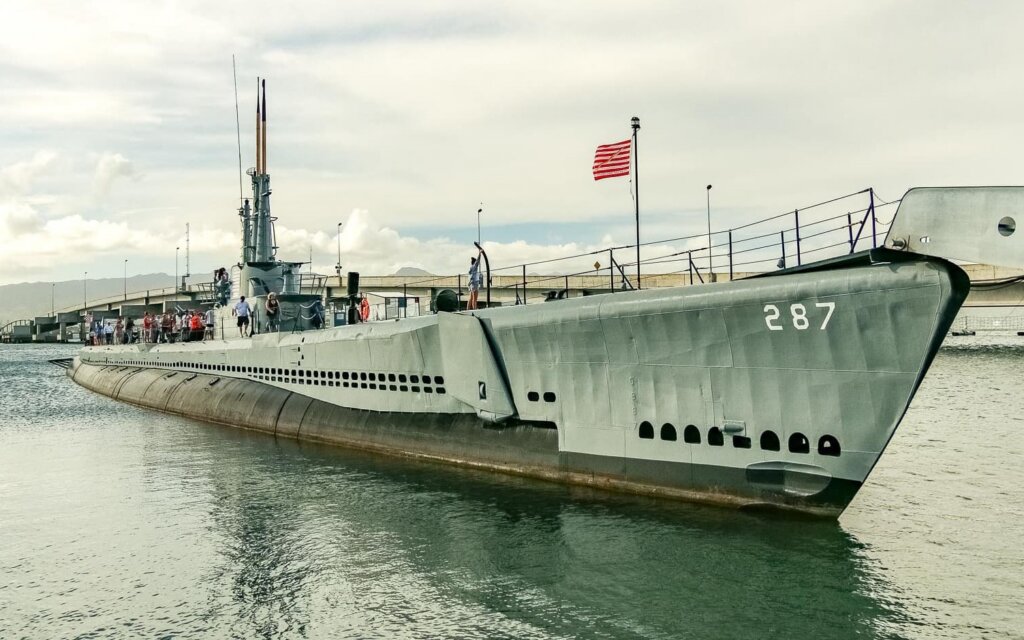
U.S. Navy submarines played a crucial role in eliminating two of Japan’s most important aircraft carriers.
The submarine USS Albacore torpedoed and sank the carrier Taiho, Japan’s newest and most advanced fleet carrier.
Meanwhile, USS Cavalla successfully attacked and sank the veteran carrier Shokaku, a ship that had participated in the attack on Pearl Harbor.
The combined losses were catastrophic for the Imperial Japanese Navy.
Without experienced pilots, carriers, and replacement aircraft, Japan could no longer challenge American naval dominance in the Pacific.
Securing Allied Victory in the Pacific
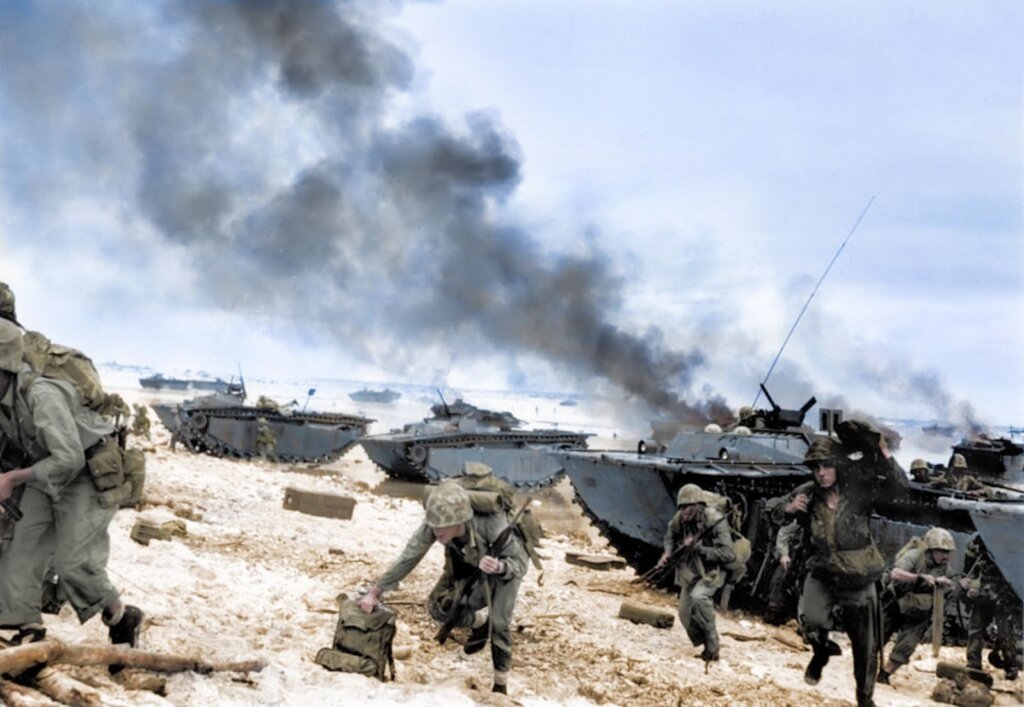
The Battle of the Philippine Sea established complete American air superiority throughout the Pacific.
The victory protected the Saipan invasion and opened the door for future campaigns in Guam, Tinian, Iwo Jima, Okinawa, and eventually Japan itself.
It also demonstrated the effectiveness of American industrial production, superior pilot training programs, radar technology, and coordinated fleet operations.
The battle showcased the U.S. Navy’s ability to project overwhelming power across vast distances while maintaining operational superiority.
Today, military historians rank the Battle of the Philippine Sea among the most important naval victories in American history.
Honor the Legacy with Navy Crow Challenge Coins
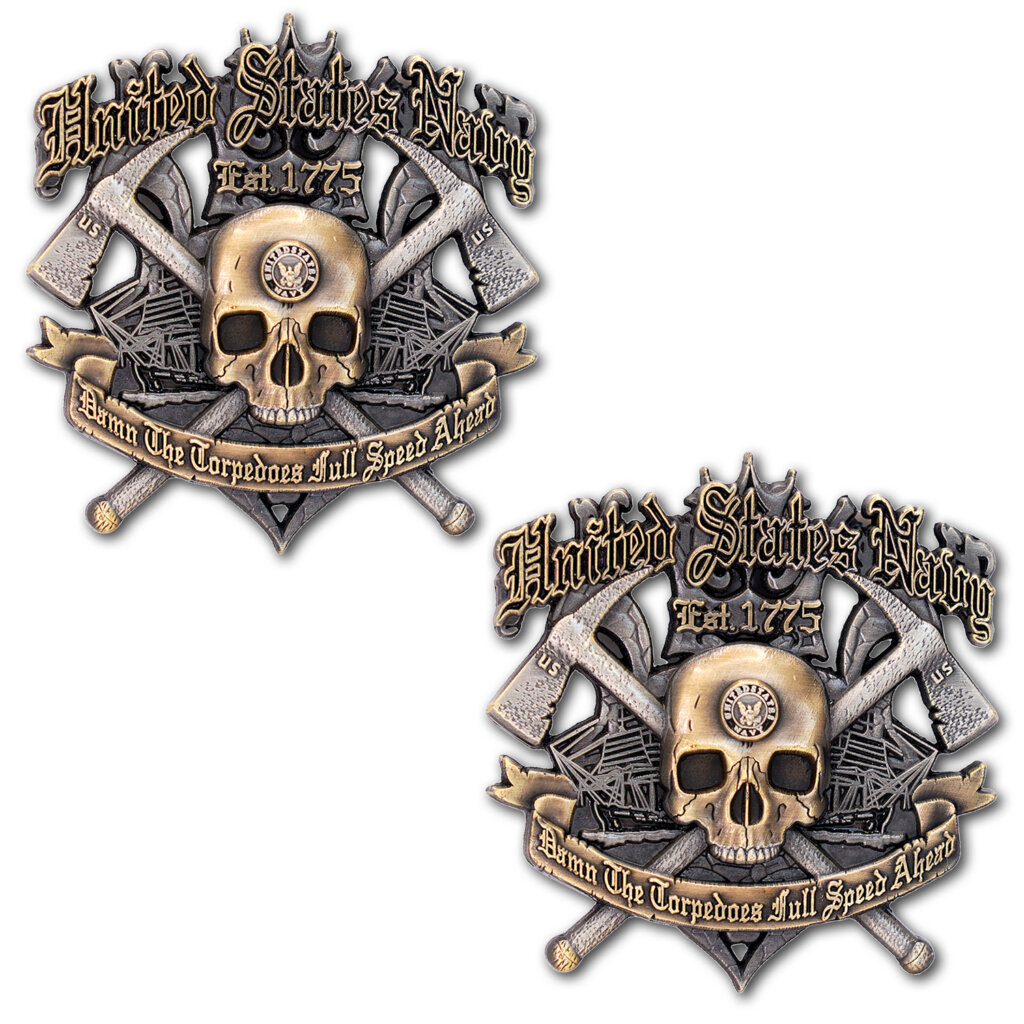
At Navy Crow, preserving naval heritage is at the heart of everything we do. Veterans, active-duty sailors, and military families proudly display challenge coins that represent their service, ships, and the historic battles that shaped the Navy’s legacy.
If you’re a World War II history enthusiast, start by exploring our collection of Navy challenge coins that celebrate the traditions and accomplishments of America’s sea services.
Featured Collections:
- Navy Challenge Coins: navycrow.com/product-category/challenge-coins/
- US Navy Veteran Challenge Coins: navycrow.com/product-category/challenge-coins/us-navy/
- Chief Petty Officer Challenge Coins: navycrow.com/product-category/challenge-coins/chief-petty-officer/
- Submarine Challenge Coins: navycrow.com/product-category/challenge-coins/submarines/
Challenge coins serve as lasting tributes to the sailors who fought in historic battles like the Battle of the Philippine Sea.
Honor their Legacy Wear Your Navy Pride!
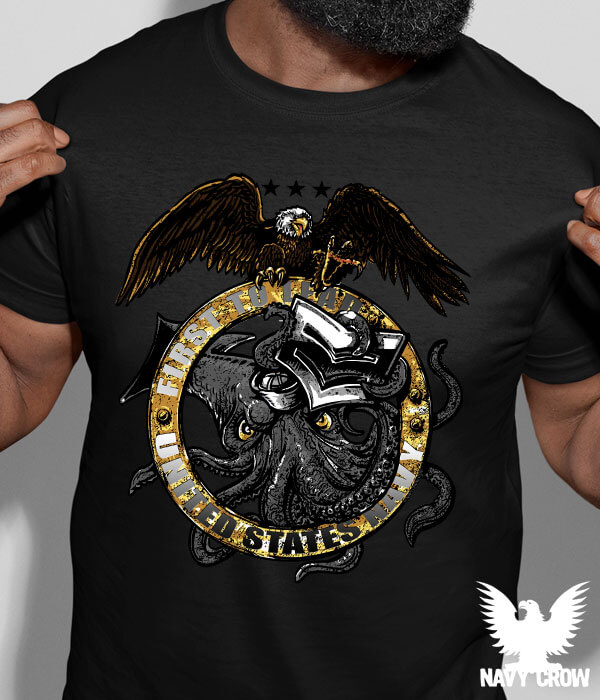
In addition to challenge coins, Navy Crow offers veteran-designed apparel that allows sailors and supporters to proudly display their connection to naval history.
Popular apparel collections include:
- US Navy Shirts: navycrow.com/product-category/apparel/t-shirts/
- US Navy Veteran Apparel: navycrow.com/product-category/apparel/
- Chief Petty Officer Shirts: navycrow.com/product-category/apparel/chief-petty-officer/
- Submarine Apparel: navycrow.com/product-category/apparel/submarines/
These shirts make excellent gifts for Navy veterans, retirees, active-duty sailors, and military history collectors.
Remembering June 19, 1944
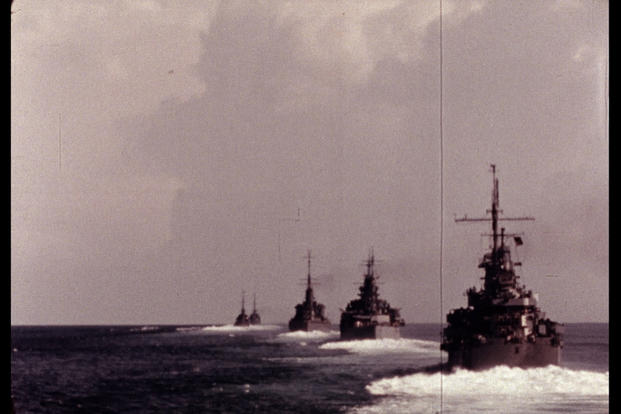
More than 80 years later, the Battle of the Philippine Sea remains a testament to American naval excellence. The sailors, aviators, submariners, and fleet commanders who fought during those critical days secured a victory that accelerated the end of World War II.
Their courage reminds us why preserving naval history matters.
At Navy Crow, we proudly honor their legacy every day.