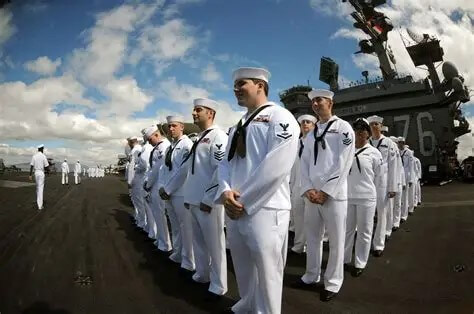

So, you’re thinking about joining the U.S. Navy to become a sailor? Good choice—and welcome to the first unofficial Navy tradition: having approximately 47 people tell you what they think boot camp is going to be like.
The truth is, becoming a Navy recruit takes preparation, paperwork, determination, and a willingness to learn. The process starts long before you stand on the yellow footprints at Recruit Training Command. Here’s the sailor-friendly rundown of what it takes to join America’s Navy and begin your journey to become a sailor.
Start With a Navy Recruiter

Your first real move should be talking to a Navy recruiter. The official Navy recruiting process begins by connecting with a recruiter who can explain eligibility, career opportunities, testing, medical requirements, enlistment options, and what happens next.
Don’t be afraid to ask questions. Ask about Navy jobs, duty stations, enlistment contracts, bonuses, boot camp, education benefits, and anything else you’re wondering about.
And don’t believe everything your uncle’s buddy from 1987 tells you.
Navy recruiting policies and requirements change, so official Navy sources and your recruiter should be your final word.
Check the Basic Navy Requirements
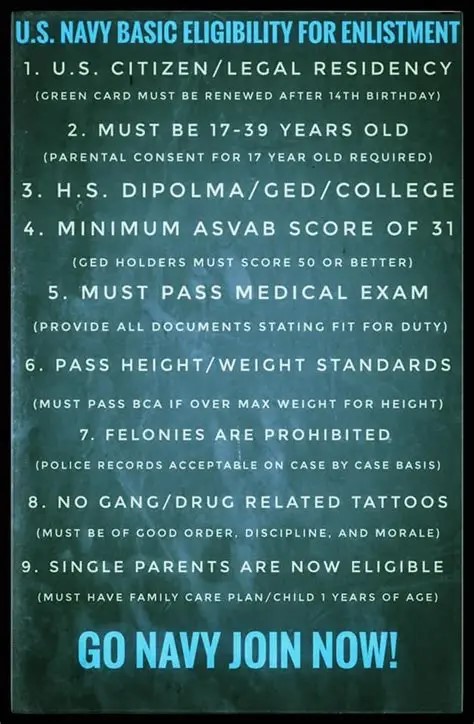
Current Navy recruiting guidance says enlisted applicants generally must be U.S. citizens or legal permanent residents, meet the applicable age requirements, have a high school diploma or equivalent, qualify on the ASVAB, pass the MEPS medical examination, and meet physical, mental, and moral standards. The Navy currently lists the general enlisted age range as 17 through 41, although exceptions and additional requirements can apply depending on the program or career. Applicants under 18 need parental consent.
That means your first mission isn’t buying a cool Navy tattoo.
It’s making sure you’re actually eligible to enlist.
Take the ASVAB
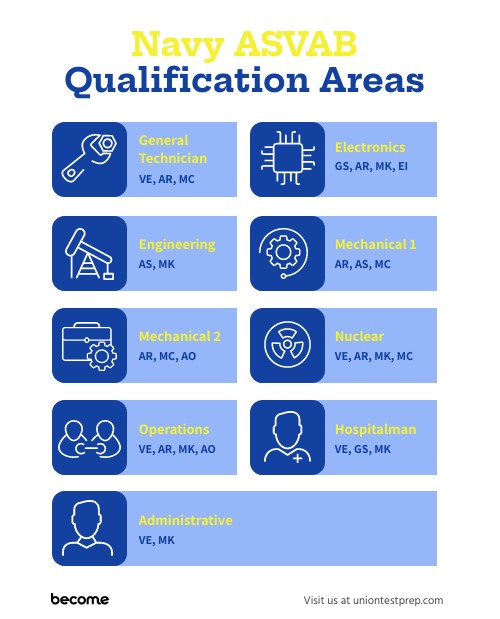
The Armed Services Vocational Aptitude Battery, better known as the ASVAB, is an important part of the Navy enlistment process.
Your ASVAB results help determine your eligibility and can influence which enlisted Navy careers are available to you. Some ratings have additional score requirements.
Study for it.
Seriously.
The better prepared you are, the more opportunities you may have when discussing career choices with your recruiter.
The Navy offers jobs ranging from aviation and engineering to information technology, healthcare, nuclear operations, intelligence, logistics, construction, and maritime operations.
Go Through MEPS
After working with your recruiter, you’ll go through the Military Entrance Processing Station, commonly called MEPS.
MEPS is where applicants complete important parts of the enlistment process, including the ASVAB when applicable and a comprehensive medical examination.
This is also where honesty becomes extremely important.
Bring the documentation your recruiter requests and provide accurate information. Trying to hide something during enlistment can create much bigger problems later.
Think of MEPS as the Navy’s way of making sure you’re ready to become a Sailor—and that the Navy knows who they’re bringing aboard.
Pick Your Navy Career
Once you’re qualified, you’ll work with Navy personnel to determine what career opportunities fit your qualifications and interests.
Your ASVAB scores, medical qualifications, job availability, and other factors can affect your options.
This is one of the most important decisions you’ll make before boot camp.
Don’t simply choose a rating because somebody says it sounds cool.
Ask questions.
Find out what the training looks like, where Sailors in that career serve, and what opportunities exist after the Navy.
Take the Oath
Once you’ve completed the necessary steps and selected your path, you’ll take the Oath of Enlistment and receive orders for Recruit Training Command, better known as Navy boot camp.
That’s when things start getting real.
You are no longer just somebody thinking about joining the Navy.
You’re a Future Sailor.
Prepare for Navy Boot Camp
Navy boot camp takes place at Recruit Training Command in Great Lakes, Illinois, and currently lasts nine weeks. The Navy describes the training as physically, emotionally, and academically challenging.
You’ll learn military customs and traditions, drill and marching, teamwork, Navy knowledge, physical fitness, and the fundamentals needed to transition from civilian life into the Navy.
You’ll also take a swim test.
If you’re not a strong swimmer, don’t panic. The Navy says recruits can join without already being strong swimmers, but everyone must learn the required skills and pass the swim test to graduate.
Start practicing before you leave.
Get Your Head in the Game
Physical preparation matters, but don’t ignore the mental side.
The Navy recommends preparing before boot camp by learning the Navy rank structure, studying the Bluejackets Manual, understanding the Navy’s core values of Honor, Courage and Commitment, and learning the 11 General Orders of a Sentry.
Get used to following instructions.
Get comfortable working with a team.
Learn how to manage your time.
And maybe practice making your bed so tightly that a drill instructor could bounce a quarter off it.
Ready to become a sailor?
Graduating from boot camp is not the finish line.
Depending on your selected career, you may go to A School, where you’ll receive specialized training for your Navy rating. After A School, some Sailors receive additional C School training before reporting to their first duty station.
That’s where your Navy career really starts taking shape.
You could eventually serve aboard ships, submarines, aircraft, shore commands, expeditionary units, or specialized commands around the world.
Celebrate the Navy Journey With a Challenge Coin

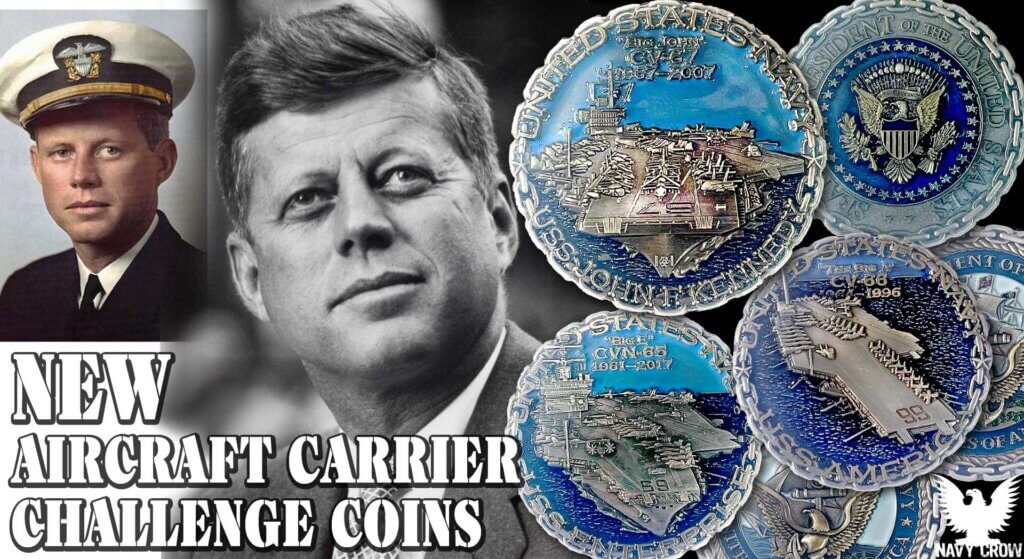
Military traditions become part of your identity as a Sailor, and Navy challenge coins are one of the most recognizable traditions.
A Navy challenge coin can commemorate a ship, command, rating, deployment, qualification, retirement, or other milestone.
For a new Sailor, a challenge coin can eventually become more than a collectible. It can represent where you started, where you’ve served, and the people you served beside.
Navy Shirts and Sailor Apparel
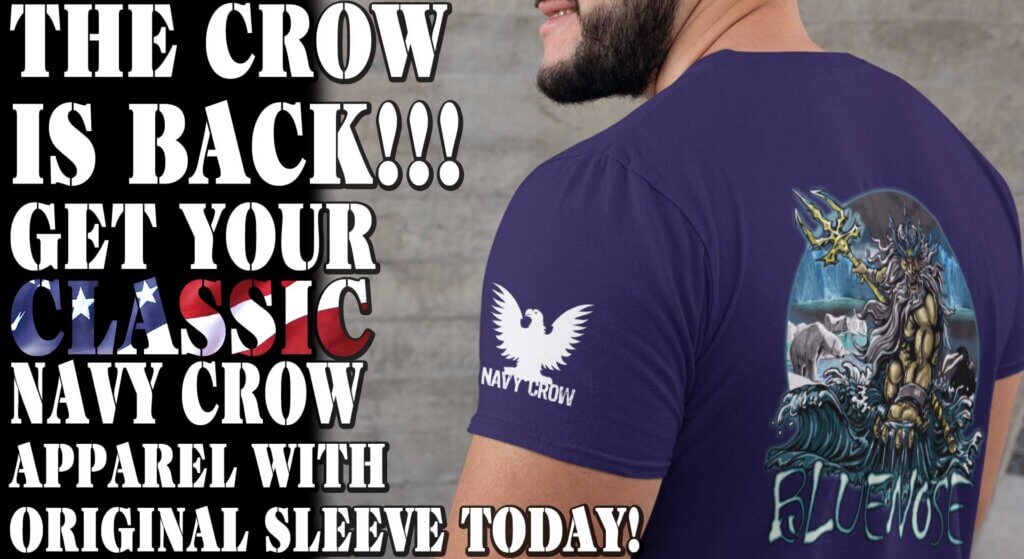
Want to show your Navy pride?
NavyCrow offers Navy-themed shirts and apparel celebrating Sailors, veterans, Navy traditions, commands, and military heritage.
Whether you’re a new recruit, active-duty Sailor, veteran, or proud Navy family member, Navy apparel can be an easy way to display that connection.
Navy Accessories and Custom Products

NavyCrow also offers additional Navy accessories, collectibles, and custom products for Sailors and Navy organizations.
Custom products can be especially useful for commands, reunions, shipmates, veteran organizations, retirements, and special events. Navy Crow’s custom offerings include personalized products beyond standard shirts and challenge coins.
Welcome to the Fleet
Joining the U.S. Navy isn’t just about signing paperwork and showing up at boot camp.
It’s about preparing yourself to become part of a team that operates around the world.
Talk to a recruiter.
Study for the ASVAB.
Get your paperwork together.
Prepare physically.
Learn some Navy history.
Practice swimming.
And get ready to discover that the word “Navy” can somehow become an adjective for almost everything.
The journey from civilian to Navy recruit won’t always be easy. But if you’re ready to work, learn, adapt, and serve, it can become the beginning of an extraordinary career.
The Navy needs people who are willing to step forward.
Maybe that’s you.
Fair winds and following seas, Future Sailor.