
The United States Navy is the largest and most powerful naval force in the world. Its mission is to maintain maritime superiority and defend the nation’s interests at sea. To accomplish this mission, the Navy relies on a diverse group of sailors, each with their unique skills and specialties called Navy rates. US Navy Rates: Training The Backbone Of A Fleet describes and priovides details about the importance United States Navy rates have in running the largest US Navy super pwoer in the world.
These sailors are organized into occupational specialties known as Navy Rates, which play a critical role in the Navy’s success. In this blog, we’ll discuss what Navy Rates are, why they are important, and the various types of Rates within the Navy.
What are Navy Rates?
In the United States Navy, a Rate is a term used to describe a sailor’s job specialty. Each Rate is identified by a two-digit code and a job title. For example, the Rate for a Hospital Corpsman is HM, and the Rate for an Aviation Electronics Technician is AE. Rates are further broken down into various sub-specialties, or “NECs,” which identify the specific skills and knowledge required for a particular job within that Rate.

Navy Rates have a long history, dating back to the early days of the U.S. Navy. In the early 19th century, sailors were classified into four general categories: Seaman, Ordinary Seaman, Landsman, and Boy. Over time, as the Navy grew and evolved, the system of Rates became more complex and specialized.
Why are Navy Rates Important?
Navy Rates are critical to the Navy’s success for several reasons. First, they allow the Navy to organize and deploy its sailors in a way that maximizes their skills and expertise. Rates help ensure that each sailor is assigned to a job that best matches their abilities, training, and experience. This not only improves the Navy’s overall efficiency but also helps to keep sailors motivated and engaged in their work.
Second, Rates provide a clear path for career advancement and professional development. Each Rate has a specific set of qualifications, training, and experience requirements that sailors must meet to advance to higher paygrades and positions of greater responsibility. This creates a clear and objective system for career progression, which helps sailors plan and prepare for their future in the Navy.

Finally, Navy Rates foster a sense of pride and identity among sailors. Each Rate has its own unique culture, traditions, and history, which creates a sense of belonging and camaraderie among sailors who share a common job specialty. This helps to build unit cohesion and fosters a strong sense of esprit de corps within the Navy.
Types of Navy Rates
There are over 80 different Navy Rates, each with its unique job title, responsibilities, and requirements. Some of the most common Rates include:
- Aviation Rates: These Rates are responsible for the maintenance and operation of aircraft and their associated systems.
- Engineering Rates: These Rates are responsible for the operation and maintenance of the Navy’s ships and their associated systems.
- Medical Rates: These Rates are responsible for providing medical care to sailors and their families.
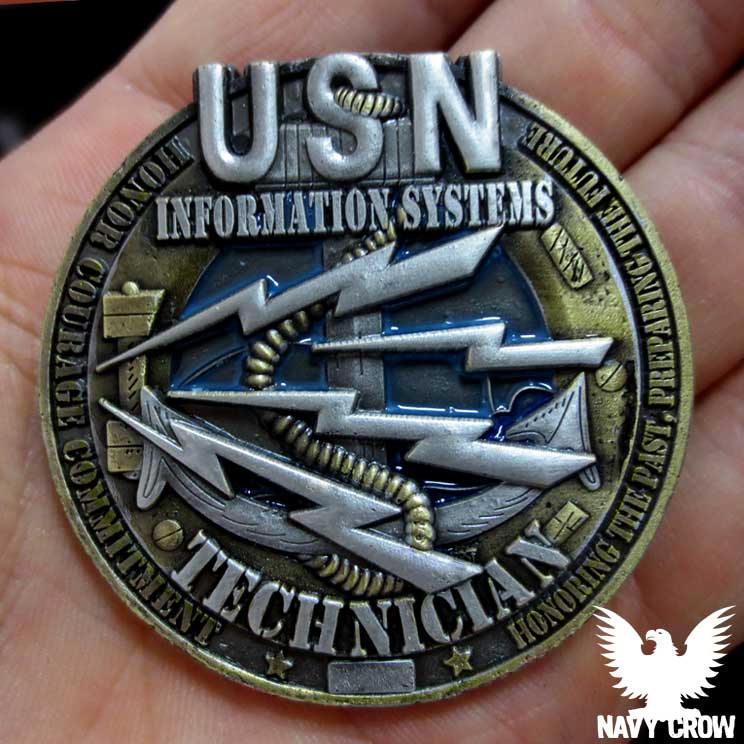
- Information Technology Rates: These Rates are responsible for the operation and maintenance of the Navy’s computer and communications systems.
- Logistics Rates: These Rates are responsible for the supply and distribution of goods and services to the Navy’s ships and personnel.
- Special Warfare Rates: These Rates are responsible for conducting special operations, including diving, parachuting, and other specialized skills.
Each Rate has its unique set of skills, knowledge, and qualifications, which are essential to the Navy’s success.
Conclusion
Navy Rates are a critical component of the United States Navy. They provide a clear and objective system for organizing, deploying, and advancing sailors based on their unique skills and expertise. Navy Rates also foster a sense of pride, identity, and camaraderie among sailors, which is essential for building unit cohesion and maintaining the Navy’s overall readiness.
For information regarding US Navy Rates: Training The Backbone Of A Fleet please contact us hq@navycrow.com.